
For most Americans, life is becoming increasingly complex, and so are their benefit needs.
What was once a singular reliance on employer-sponsored benefits and the federal Family and Medical Leave Act (FMLA) has evolved into a broader demand for support during life’s most challenging and joyful moments.
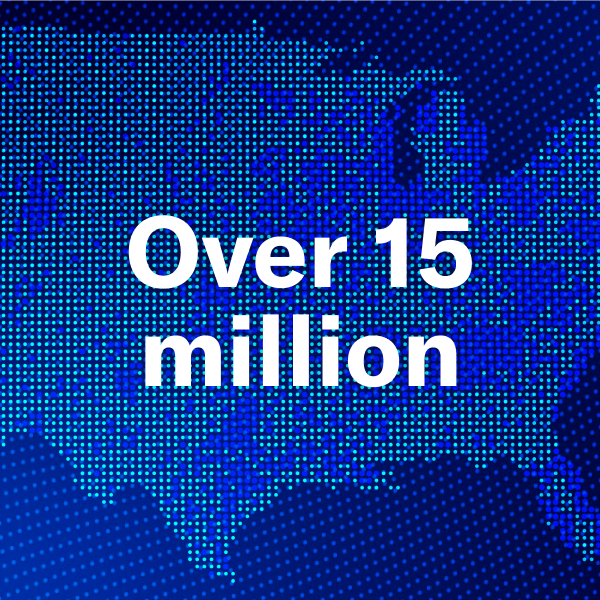
Today, a growing suite of voluntary employee benefits is stepping in to fill the gap where traditional benefits, FMLA and state paid family medical leave (PFML) programs fall short. For insurance brokers, this evolution creates a unique opportunity to become trusted partners who guide employers through smarter, more holistic benefits strategies, which ultimately can lead to enhanced protection for employees.
The insurance broker’s opportunity: leading the shift
When employees go on leave—whether for the birth of a child or a medical emergency—it often triggers more than just time off. It can introduce new financial pressures not covered by traditional benefits or paid family medical leave, such as travel expenses, childcare expenses and emotional stress. Voluntary employee benefits help fill those critical gaps with coverage options such as:





“FMLA protects your job and disability, and PFML protects your paycheck, but it doesn’t address everything else people face during a leave,” says Stephanie Shields, Head of Employee Benefits at Equitable. “That’s where voluntary employee benefits deliver real value to our customers, and insurance brokers are the key to connecting the dots for employers as well as employees.”
As benefits become more personalized and state regulations vary, employers are relying on insurance brokers to help them make sense of it all. The best broker is no longer just a product vendor, but a strategic partner to employers who understands the regulatory landscape, workforce demographics and a company’s culture.
“The insurance brokers who win are those who act like an extension of the HR team,” says Shields. “They’re not just selling products; they’re building support systems for their clients.”
Brokers must bridge the gap between benefit offerings and employee understanding, ensuring that what’s available is not only visible, but also valued. Despite nearly 90% of U.S. organizations offering at least one voluntary employee benefits, many employees remain unaware of what’s available. This disconnect presents a major opportunity for insurance brokers to add value.
Raising awareness of these benefits is only part of the job; insurance brokers are being asked to help employers create communication strategies that make voluntary employee benefits accessible and easy to understand. When done right, these benefits don’t just support employees, but also build loyalty and engagement, driving better outcomes for employers and insurance brokers alike.
Empowering insurance brokers with technology
“For insurance brokers to continue to successfully navigate this ever-changing regulatory landscape, they need strong partnerships with carriers who provide tools and insights they need,” says Alyssa Arellano, Head of Product & Technology Solutions at Equitable.
Equitable understands the heightened role insurance brokers must play. “We’re investing in our broker partnerships like never before,” says Arellano. “We ensure brokers are equipped to explain how our products integrate with the entire benefits ecosystem, inclusive of other products and technology, because employers and employees expect transparency and simplicity.”
Equitable’s investment in broker partnerships is already delivering results. Since launching Equitable’s Digital Onboarding solution in 2023, 97% of brokers say it’s easy to do business with Equitable.2
This tool is one piece of a larger digital connection strategy because ease of doing business is about making benefits accessible to employees. That’s why technology is designed not just to perform, but to connect—delivering a more human experience where it matters most.

Defining success for insurance brokers
There’s no one-size-fits-all solution, but successful voluntary employee benefits programs share common traits: clear communication, seamless access, personalized fit and measurable impact.
For insurance brokers, success translates into:





“If an employee has a positive experience, others take notice,” says Shields. “Word-of-mouth feedback drives awareness and interest in the benefits, which bubbles up to the employer and the broker. It’s a full-circle moment.”
Traditional benefits and PFML may be the foundation, but it’s often not enough to meet the demands of today’s workforce. As employees’ needs grow more complex and life continues to evolve, voluntary employee benefits are becoming not just helpful, but essential.
Today’s employers need benefits that go beyond basic coverage to provide meaningful, real-life solutions that support employees through every stage of work and life. To deliver on that promise, they need more than just products—they need strong, knowledgeable and innovative insurance brokers who can guide strategy, drive engagement and build benefit ecosystems that truly work.

1 nationalpartnership.org/report/fmla-key-facts/
2 Equitable Voice of the Customer survey, “Broker & Employer Implementation Experience Survey Results” (January 1, 2025 peak season results, October 2024-February 2025).
3 limra.com/en/newsroom/industry-trends/2025/limra-research-the-role-of-workplace-benefits-brokers-is-changing
The 1859-year history reference applies exclusively to Equitable Financial Life Insurance Company.
EB360® is a registered mark of Equitable Holdings, Inc. (NY,NY).
Equitable is the brand name of the retirement and protection subsidiaries of Equitable Holdings, Inc., including Equitable Financial Life Insurance Company (Equitable Financial) (NY, NY); Equitable Financial Life Insurance Company of America (Equitable America), an AZ stock company with an administrative office located in Charlotte, NC; and Equitable Distributors, LLC. Equitable Advisors is the brand name of Equitable Advisors, LLC (member FINRA, SIPC) (Equitable Financial Advisors in MI & TN). All group insurance products are issued either by Equitable Financial Life Insurance Company or Equitable Financial Life Insurance Company of America, which have sole responsibility for their insurance and claims-paying obligations. Some products are not available in all states.
© 2025 Equitable Holdings, Inc. All rights reserved. 1345 Avenue of the Americas, NY, NY 10105. (212) 554-1234.
GE-8403341.1 (09/2025) (Exp. 09/2029)